Understanding Neurodiversity: An Introductory Overview

Did you know that approximately one out of every five to seven people is neurodivergent? Despite this significant number, many still misunderstand what neurodiversity truly means and why it matters.
The term neurodiversity refers to the diverse spectrum of human neurology, emphasizing that neurological differences are natural variations of the human experience rather than deficits or disorders. Neurodiversity encompasses a wide range of conditions, including Autism Spectrum Disorder, ADHD, Dyslexia, OCD, Dyspraxia, Tourette’s Syndrome, and more.
Today, we’re going to talk about the concept of neurodiversity, its significance in society and the workplace, and how embracing neurodiversity can lead to more inclusive, innovative, and successful environments. Recognizing and celebrating these neurological differences helps to foster a more inclusive society where all individuals can thrive and contribute their unique strengths.
What is Neurodiversity?
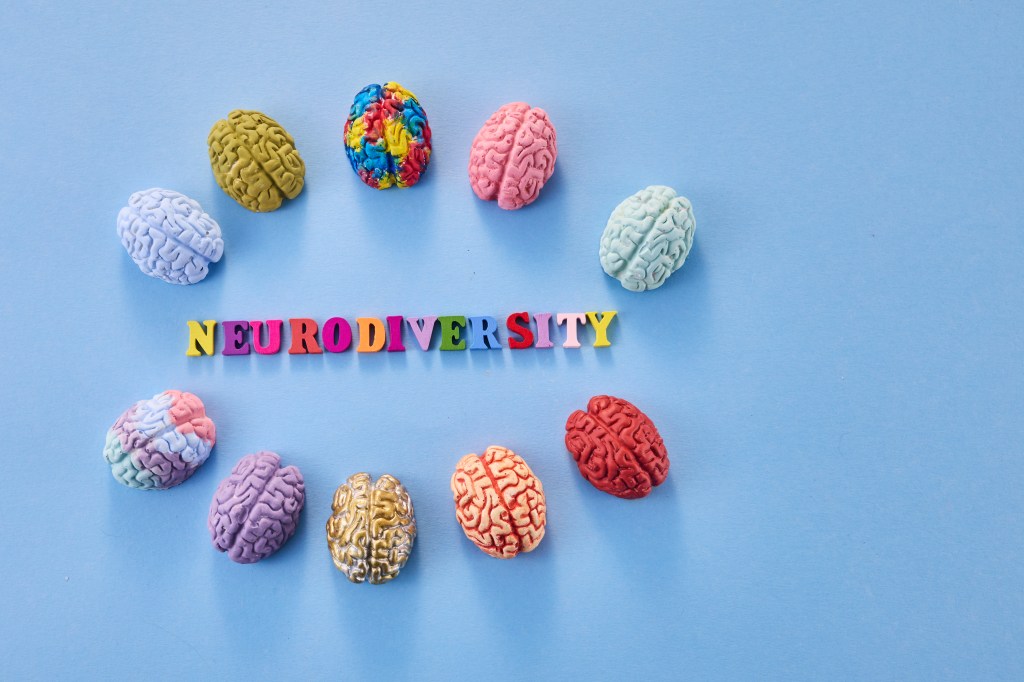
Neurodiversity is the idea that variations in the human brain regarding sociability, learning, attention, mood, and other mental functions should be accepted and celebrated. It’s a term that challenges the traditional view that neurological differences need to be cured or corrected.
Neurodiversity includes (but is not limited to) conditions such as:
- Autism Spectrum Disorder (ASD): A developmental condition that affects social interaction, communication, interests, and behavior.
- Attention Deficit Hyperactivity Disorder (ADHD) is characterized by patterns of inattention, hyperactivity, and impulsivity.
- Dyslexia: A learning difference primarily affecting reading and related language-based processing skills.
- Dyspraxia (Developmental Coordination Disorder): Affects physical coordination, causing difficulties with movement and coordination.
- Dyscalculia: A specific learning difference that affects a person’s ability to understand numbers and learn math facts.
- Tourette Syndrome: A neurological condition characterized by repetitive, involuntary movements and vocalizations called tics.
- Sensory Processing Disorder: A condition where the brain has trouble receiving and responding to information that comes in through the senses.
- Obsessive-Compulsive Disorder (OCD): Involves unwanted and intrusive thoughts (obsessions) and repetitive behaviors (compulsions).
- Anxiety Disorders: Includes a range of conditions characterized by excessive fear or anxiety that impacts daily life.
- Bipolar Disorder: A mental health condition that causes extreme mood swings, including emotional highs (mania or hypomania) and lows (depression).
These conditions are not deficits but part of the natural spectrum of human diversity. Recognizing and celebrating these neurological differences helps to foster a more inclusive society where all individuals can thrive and contribute their unique strengths. Embracing neurodiversity means understanding that each person’s brain works differently, and these differences bring valuable perspectives, skills, and talents to the table. By shifting our focus from trying to “fix” or “cure” neurodivergent individuals to supporting and accommodating their unique ways of thinking, processing information, and engaging with the world, we can create environments that not only respect and value all individuals but also benefit from the diversity of thought and innovation that neurodivergent individuals offer. This paradigm shift encourages a more compassionate, equitable, and innovative society and workplace, where everyone’s potential can be realized and celebrated.
The Importance of Neurodiversity in Society

Embracing neurodiversity means recognizing and valuing the unique contributions that neurodivergent individuals bring to society. It fosters a culture of inclusion, respect, and understanding and brings a wealth of social benefits. Neurodivergent individuals often possess unique perspectives and ways of thinking that spark innovative solutions and creative ideas, driving advancements in fields ranging from technology to the arts. Promoting neurodiversity also helps build more inclusive communities where everyone feels valued and respected. This inclusivity reduces stigma and discrimination, fostering a more supportive and empathetic society.
Furthermore, the presence of diverse neurological profiles enriches social interactions and deepens our understanding of human behavior. By interacting with and learning from neurodivergent individuals, we can develop greater empathy and improve communication skills. In educational settings, recognizing and accommodating neurodiversity leads to more effective teaching strategies that benefit all students. Differentiated instruction, tailored to diverse learning styles, enhances educational outcomes and fosters a love of learning.
From an evolutionary perspective, neurological diversity offers significant adaptive benefits. Different cognitive styles and problem-solving approaches enhance a population’s ability to survive and thrive in ever-changing environments. Neurodiversity also contributes to the genetic diversity within the human population, ensuring a wide range of cognitive abilities and traits. This diversity promotes resilience and adaptability, equipping us to face diverse challenges and adapt to new situations more effectively. Populations with a broad range of cognitive and behavioral traits are better prepared to navigate complex and rapidly changing environments. Additionally, neurodivergent individuals often develop unique neural pathways and strengths. This brain plasticity can lead to specialized skills and abilities, enhancing both individual and collective functioning.
By understanding and valuing these social and biological benefits, we can create a society that not only respects and celebrates neurodiversity but also leverages it for the greater good. This paradigm shift encourages a more compassionate, equitable, and innovative society and workplace, where everyone’s potential can be realized and celebrated.
Ten Practical Tips for Embracing Neurodiversity
- Promote Awareness and Education about Neurodiversity in Schools and Communities: Educators and instructional designers can integrate neurodiversity education into curriculums with workshops and activities and organize awareness campaigns to spread knowledge and reduce stigma.
- Support neurodivergent individuals by providing accessible resources and accommodations: Managers and Organizational Leaders can ensure workplaces, schools, and public spaces have necessary tools and modifications like assistive technologies and sensory-friendly environments. Advocate for inclusive policies and provide training for educators and employers.
- Encourage Neurodiversity-Friendly Hiring Practices: Employers can create inclusive job descriptions and implement hiring practices that value diverse cognitive strengths, such as offering alternative interview formats.
- Develop Customized Learning Plans: In educational settings, create Individualized Education Programs (IEPs) or 504 Plans that cater to unique learning styles and needs, ensuring students receive the support they need.
- Foster Inclusive Work Environments: Celebrate neurodiversity through awareness days, workshops, and team-building activities, and provide training on neurodiversity for all employees.
- Leverage Technology: Utilize organization and time management apps, speech-to-text software, or virtual reality tools for social skills training to support neurodivergent individuals.
- Advocate for Policy Changes: Work with policymakers to promote legislation that supports neurodivergent individuals, including better funding for special education and workplace accommodations.
- Create Safe Spaces: Establish quiet zones or sensory-friendly rooms in schools and workplaces where neurodivergent individuals can take breaks and decompress.
- Promote Self-Advocacy: Empower neurodivergent individuals by teaching self-advocacy skills and ensuring they know their rights, helping them communicate their needs effectively.
- Engage Families and Caregivers: Involve families and caregivers in the support process by providing them with resources, support groups, and training to help them understand and advocate for their loved ones.
Neurodiversity in the Workplace
A neurodiverse workforce can drive innovation, creativity, and productivity. Companies that embrace neurodiversity benefit from different perspectives and problem-solving approaches. By fostering an environment where neurodivergent individuals feel valued and supported, businesses can unlock a wealth of untapped potential.
Benefits of a Neurodiverse Workplace

Enhanced Creativity and Innovation: Neurodivergent individuals often think outside the box and approach problems in unique ways. This diversity of thought can lead to groundbreaking ideas and innovative solutions that might not emerge in a more homogenous group. Companies can leverage these fresh perspectives to stay competitive and drive growth.
Diverse Problem-Solving Strategies: Different cognitive styles mean a wider range of problem-solving approaches. Neurodivergent employees might identify solutions others overlook, helping teams tackle challenges more effectively and efficiently. This diversity can be particularly valuable in complex or multifaceted projects.
Increased Employee Loyalty and Morale: When companies make an effort to create an inclusive environment, neurodivergent employees feel valued and understood. This fosters a sense of loyalty and belonging, leading to higher job satisfaction and morale. Inclusive workplaces also tend to have lower turnover rates, as employees are more likely to stay with a company that supports their needs.
Steps to Create a Neuro-inclusive Workplace:
Provide Tailored Accommodations: Understand and address the specific needs of neurodivergent employees by offering tailored accommodations. This might include providing noise-canceling headphones, flexible work hours, or quiet workspaces. Simple adjustments can make a significant difference in an employee’s comfort and productivity.
Implement Flexible Work Policies: Flexibility is key to supporting neurodivergent individuals. Consider implementing policies that allow for remote work, adjustable work schedules, and extended deadlines when necessary. Flexible policies enable employees to work in ways that best suit their individual needs and preferences.
Offer Neurodiversity Training for Employees: Educate your workforce about neurodiversity through comprehensive training programs. These programs should cover the basics of neurodiversity, the benefits of a neuro-inclusive workplace, and practical tips for supporting neurodivergent colleagues. Training can help build a more empathetic and supportive work environment.
By fostering an environment of neuro-inclusivity, companies can create a workplace culture that not only values neurodiversity but also harnesses it for mutual benefit. An inclusive workplace not only supports neurodivergent employees but also enhances the overall performance and innovation of the entire organization.
Case Studies
SAP’s Autism at Work Program
SAP’s initiative to hire individuals on the autism spectrum has shown how neurodiversity can be a valuable asset to a company’s success and culture. This program highlights the tangible benefits that can arise when businesses actively embrace neurodiversity.
Launched in 2013, SAP’s Autism at Work Program was designed to tap into the unique strengths and abilities of individuals on the autism spectrum. Recognizing that traditional hiring processes often overlook these talents, SAP developed a specialized recruitment and onboarding approach tailored to neurodivergent candidates.
The program focuses on identifying and leveraging the exceptional skills many individuals with autism possess, particularly in areas like pattern recognition, attention to detail, and problem-solving. By integrating these individuals into their workforce, SAP has significantly improved its quality assurance processes, particularly in software testing and data analysis. Neurodivergent employees have been instrumental in identifying system bugs and optimizing processes that others might miss.
To support these employees, SAP provides a range of accommodations, including modified work environments, flexible hours, and personalized mentoring. The company also offers training sessions for managers and colleagues to foster a more inclusive and understanding workplace culture.
The impact of the Autism at Work Program has been profound. Not only has it enhanced SAP’s operational efficiency and innovation, but it has also created meaningful employment opportunities for many individuals who might otherwise struggle to find work in traditional settings. Employees in the program report higher job satisfaction and a greater sense of belonging, which translates into increased loyalty and engagement.
The success of SAP’s initiative has inspired other companies to launch similar programs, demonstrating the broader potential of neurodiversity to drive business success and social inclusion. By focusing on the strengths of neurodivergent employees and providing the necessary support, SAP has set a powerful example of how companies can benefit from a more inclusive approach to talent management.
Microsoft’s Neurodiversity Hiring Program
Microsoft has created a dedicated hiring program for neurodivergent individuals, recognizing their unique talents and skills. This initiative underscores the importance and benefits of fostering a neurodiverse workforce in a major global corporation.
Microsoft’s Neurodiversity Hiring Program, launched in 2015, was designed to create more inclusive employment opportunities for neurodivergent individuals, particularly those on the autism spectrum. The program acknowledges that conventional hiring practices often do not cater to the strengths and needs of neurodivergent candidates, which can result in a significant talent pool being overlooked.
The hiring process within this program is specialized to ensure that neurodivergent candidates can effectively showcase their skills. Instead of traditional interviews, which can be stressful and disadvantageous for many neurodivergent individuals, Microsoft uses a multi-day evaluation process that includes skills assessments, team projects, and one-on-one interactions. This approach allows prospective employees to demonstrate their abilities in a more comfortable and supportive environment.
Once hired, neurodivergent employees receive tailored workplace accommodations to help them succeed. These accommodations might include noise-canceling headphones, flexible work hours, and customized workspaces. Additionally, Microsoft offers ongoing support through job coaches and mentors who help new employees navigate their roles and the workplace culture.
The outcomes of this program have been overwhelmingly positive. Neurodivergent employees at Microsoft report higher job satisfaction, greater engagement, and increased retention rates compared to industry averages. These employees contribute unique perspectives and skills, particularly in areas requiring high attention to detail and innovative problem-solving.
Microsoft’s approach has not only improved the inclusivity of its workforce but has also led to tangible business benefits. Teams that include neurodivergent individuals often demonstrate enhanced creativity and productivity. The success of these teams has highlighted the practical benefits of embracing neurodiversity, encouraging other organizations to consider similar initiatives.
The positive impact of Microsoft’s Neurodiversity Hiring Program extends beyond the company itself. It serves as a model for other businesses, demonstrating that with the right support and accommodations, neurodivergent individuals can excel and contribute significantly to organizational success. By recognizing and valuing the unique talents of neurodivergent individuals, Microsoft is fostering a more inclusive and innovative workplace.
Conclusion

Neurodiversity is a crucial aspect of human diversity that deserves to be embraced and celebrated. By understanding and valuing neurological differences, we can create more inclusive, innovative, and successful societies and workplaces. Let’s continue to learn, support, and advocate for neurodiversity. Share your thoughts with us in the comments, and join us in promoting neuro-inclusivity in every aspect of life. Together, we can make a difference.
 The N.E.A.T. Blog
Leave a comment