Did you know that the concept of neurodiversity is supported by a wealth of scientific research that highlights the natural variations in the human brain?
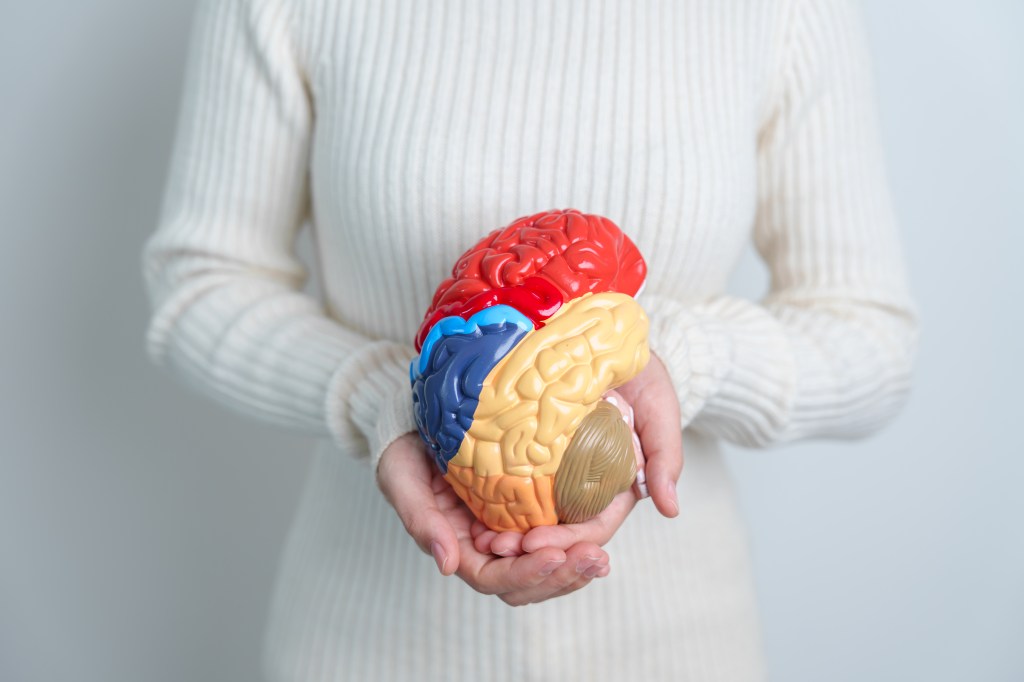
Neurodiversity describes the idea that neurological differences, such as dyslexia, autism, ADHD, and others, are natural variations in the human genome. These differences can lead to diverse ways of thinking, learning, and interacting with the world. Understanding the science behind neurodiversity is crucial for fostering a more inclusive and supportive society.
Today, we’ll explore the neurological basis of neurodiversity and the latest scientific research that supports it, focusing on how these natural variations contribute to human diversity.
Neurological Basis of Neurodiversity
“Neurodiversity is a concept where neurological differences are recognized and respected as any other human variation.” – Judy Singer, sociologist and neurodiversity advocate.
The neurological basis of neurodiversity lies in the differences in individual brain structures and function. These differences can be attributed to genetic, environmental, and developmental factors that shape the brain’s architecture and connectivity. For example, individuals with autism often show differences in brain regions related to social communication and sensory processing. Similarly, those with ADHD may have variations in the brain’s executive function areas, affecting attention and impulse control. These neurological differences are not deficiencies but variations that contribute to the rich tapestry of human cognition.
Genetic variations contribute to brain structure and function differences: Genetic factors can play a significant role in the development of brain structures and the connectivity between different regions. These genetic influences can lead to the unique neural patterns observed in neurodivergent individuals.
Environmental factors, such as prenatal exposure and early life experiences, also play a role in shaping neurological development: Environmental influences, including maternal health, exposure to toxins, and early childhood experiences, can significantly impact brain development, leading to variations in cognitive and behavioral outcomes.
Neurodevelopmental conditions like autism and ADHD are characterized by distinct patterns of brain connectivity and activity: Research has shown that neurodevelopmental conditions are associated with unique patterns of brain connectivity, such as increased local connectivity in autism or reduced connectivity in executive function areas in ADHD, highlighting the diverse ways in which brains can function.
Imaging studies have shown that dyslexic individuals exhibit differences in the left hemisphere’s language processing areas, which can affect reading and writing abilities. These differences often manifest as difficulties in phonological processing and word recognition. However, many individuals with dyslexia develop strong verbal communication skills and excel in creative fields. For instance, renowned entrepreneur Richard Branson has dyslexia, and he attributes his innovative thinking and problem-solving skills to his unique brain wiring.
Genetic Contributions to Neurodiversity
“Our genes are not our destiny, but they do play a significant role in shaping our neurological makeup and cognitive abilities.” – Dr. Thomas Insel, neuroscientist.
Genetic factors play a significant role in neurodiversity. Research has identified numerous genes associated with neurodevelopmental conditions, indicating a strong genetic basis for these differences. For instance, autism is highly heritable, with studies showing that genetic factors significantly point toward a person’s likelihood of being autistic. Similarly, ADHD and dyslexia have been linked to specific genetic markers. These genetic variations can influence brain development, neurotransmitter function, and neural connectivity, leading to diverse cognitive profiles and abilities.
Specific genes are associated with neurodevelopmental conditions like autism, ADHD, and dyslexia: Genetic research has pinpointed specific genes that increase the likelihood of neurodevelopmental conditions, such as the SHANK3 gene in autism or the DRD4 gene in ADHD.
Genetic research highlights the heritability of these conditions, demonstrating that they run in families: Studies of families and twins have shown high heritability rates for conditions like autism and ADHD, indicating that these traits are often passed down through generations and frequently have a high rate of co-occurrence.

Understanding genetic contributions helps in identifying potential biological mechanisms underlying neurodiversity: By studying the genetic basis of neurodivergent conditions, scientists can uncover the biological pathways involved, which can lead to better diagnostic tools.
The DISC1 gene has been associated with increased risk for several neurodivergent conditions, including schizophrenia and bipolar disorder, highlighting the complex genetic underpinnings of neurodiversity. This gene plays a critical role in neural development and brain function, influencing synaptic plasticity and neurotransmission processes.
Environmental and Developmental Factors
“Neurodevelopment is a dynamic process influenced by both our genetic makeup and our interactions with the environment.” – Dr. Geraldine Dawson, clinical psychologist.
While genetics play a crucial role, environmental and developmental factors also contribute to neurodiversity. Prenatal exposures, such as maternal stress or infections, can influence brain development and increase the likelihood of neurodevelopmental differences. Early life experiences, including nutrition, education, and social interactions, further shape cognitive development. This convergence between genetic predisposition and environmental influence creates a wide range of neurodevelopmental outcomes, contributing to the diversity of human cognition and behavior.
Prenatal factors, such as maternal health and environmental exposures, impact brain development: Factors like maternal nutrition, exposure to environmental toxins, and stress levels during pregnancy can have an affect the developing brain of the fetus, leading to neurodevelopmental variations.
Early life experiences, including education and social interactions, shape cognitive and emotional development: The quality and nature of early experiences, such as access to education, emotional support, and social interactions, play a significant role in shaping the brain’s development and function.
The interaction between genetics and environment results in a spectrum of neurodevelopmental profiles: The combined effects of genetic predispositions and environmental influences create a wide range of developmental outcomes, contributing to the rich diversity of human neurodevelopment.

Research has shown that early intervention programs for children with autism can significantly improve developmental outcomes by providing supportive and enriching environments. These programs often focus on developing social, communication, and adaptive skills through structured activities and therapies. Early intervention not only enhances the child’s development but also provides families with strategies to support their child’s growth and well-being.
“Neurodevelopment is a dynamic process influenced by both our genetic makeup and our interactions with the environment.” – Dr. Geraldine Dawson, clinical psychologist.
Neuroplasticity and Adaptation
“The brain’s ability to change in response to experiences is a testament to the resilience and
adaptability of neurodivergent individuals.” – Dr. Norman Doidge, psychiatrist and
author.
Neuroplasticity, the brain’s ability to adapt to experiences, is a key concept in understanding neurodiversity. Neuroplasticity allows individuals to develop new skills and coping strategies, regardless of their neurological differences. For example, individuals with dyslexia often develop compensatory strategies that leverage their strengths in other cognitive areas. Similarly, those with ADHD may learn to harness their hyperfocus on tasks of interest. This adaptability highlights the brain’s incredible capacity to grow and change, supporting the idea that neurodivergent individuals can thrive with the right support and accommodations.
Neuroplasticity enables the brain to adapt and develop new pathways in response to experiences: The brain’s capacity for change means that with the right experiences and interventions, individuals can develop new neural pathways that support learning and adaptation.
Individuals with neurodevelopmental conditions can develop compensatory strategies and strengths: Neurodivergent individuals often find unique ways to compensate for their challenges, turning potential weaknesses into strengths.
Supporting neuroplasticity through targeted interventions and accommodations can enhance cognitive and functional outcomes: Interventions like specialized training programs and personalized accommodations can help neurodivergent individuals harness neuroplasticity to improve their skills and overall functioning.

Intensive reading programs have been shown to activate alternative neural pathways in individuals with dyslexia, improving their reading skills. These programs often use multisensory techniques, combining visual, auditory, and kinesthetic learning methods to enhance reading comprehension and fluency. For example, the Orton-Gillingham approach has been effective in helping individuals with dyslexia develop stronger reading abilities. By engaging different neural pathways, these programs support the brain’s plasticity, allowing individuals to overcome reading challenges and build confidence in their literacy skills.
Conclusion
The science behind neurodiversity reveals the complexity and richness of human brain function. By understanding the neurological, genetic, and environmental factors that contribute to neurodiversity, we can better appreciate the individual strengths and challenges that come with being neurodivergent. This knowledge underscores the importance of fostering inclusive environments that support and celebrate these differences.

Let’s embrace the scientific insights into neurodiversity and use them to promote understanding, acceptance, and support for neurodivergent individuals. Share your thoughts with us in the comments, and join us in advocating for a more inclusive and informed society. Here are some steps you can take:
- Educate yourself and others about the scientific basis of neurodiversity.
- Advocate for research and policies that support neurodivergent individuals.
- Support neurodivergent individuals by providing evidence-based interventions and accommodations.
FAQs:
What is neurodiversity?
The term neurodiversity describes concept that neurological differences, such as dyslexia, autism, ADHD, and others, are natural variations of the human brain.
How do genetics contribute to neurodiversity?
Genetic factors play a significant role in neurodiversity, with specific genes associated with conditions like autism, ADHD, and dyslexia.
What role do environmental factors play in neurodiversity?
Environmental factors, including prenatal exposures and early life experiences, interact with genetic predispositions to shape brain development and cognitive outcomes.
How can neuroplasticity support neurodivergent individuals?
Neuroplasticity allows the brain to adapt and develop new pathways, enabling neurodivergent individuals to develop compensatory strategies and thrive with the right support.
Further Reading/References:
- Books:
- “The Dyslexic Advantage: Unlocking the Hidden Potential of the Dyslexic Brain” by Brock L. Eide and Fernette F. Eide
- “The Power of Neurodiversity: Unleashing the Advantages of Your Differently Wired Brain” by Thomas Armstrong

 The N.E.A.T. Blog
Leave a comment